The short answer
For most service businesses, a custom Next.js site that is built and maintained properly is the stronger choice. Next.js is a modern React framework: there is no theme and plugin stack to keep patching, pages load fast, and every page can be built around what your customers actually search for. The trade-off is that changes need a developer, which is part of what our plans cover.
Template versus custom
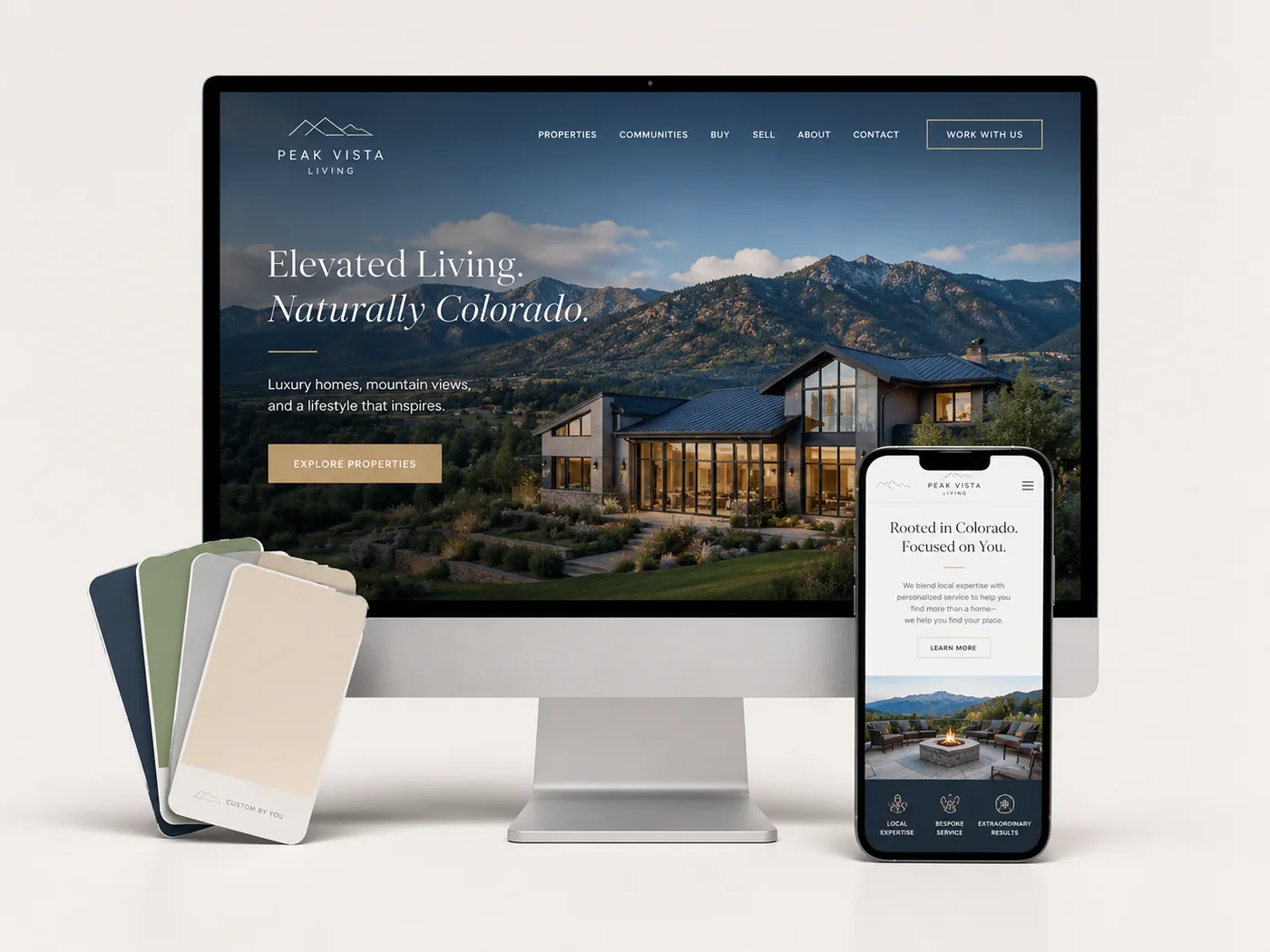
A lot of the websites I replace are generic WordPress templates. They look fine, but they are built the same way as thousands of other sites and rarely say what makes the business different. A custom site starts from your services, your real work and the next step you want a customer to take.
Speed and security
Next.js is a modern React-based framework built for high-performance custom software. In my experience these sites load much faster than most WordPress sites, and without a plugin stack there is far less to keep patched. Plugins that fall behind on updates are a common way WordPress sites get hacked.
The structure Google reads
Speed alone does not rank a site. Most owners do not know about the structure underneath a site that ranks, and that is where most of my work goes:
- Structured data (schema) describing the business, its services and where it works
- A separate page for each main service
- Clear links between related pages
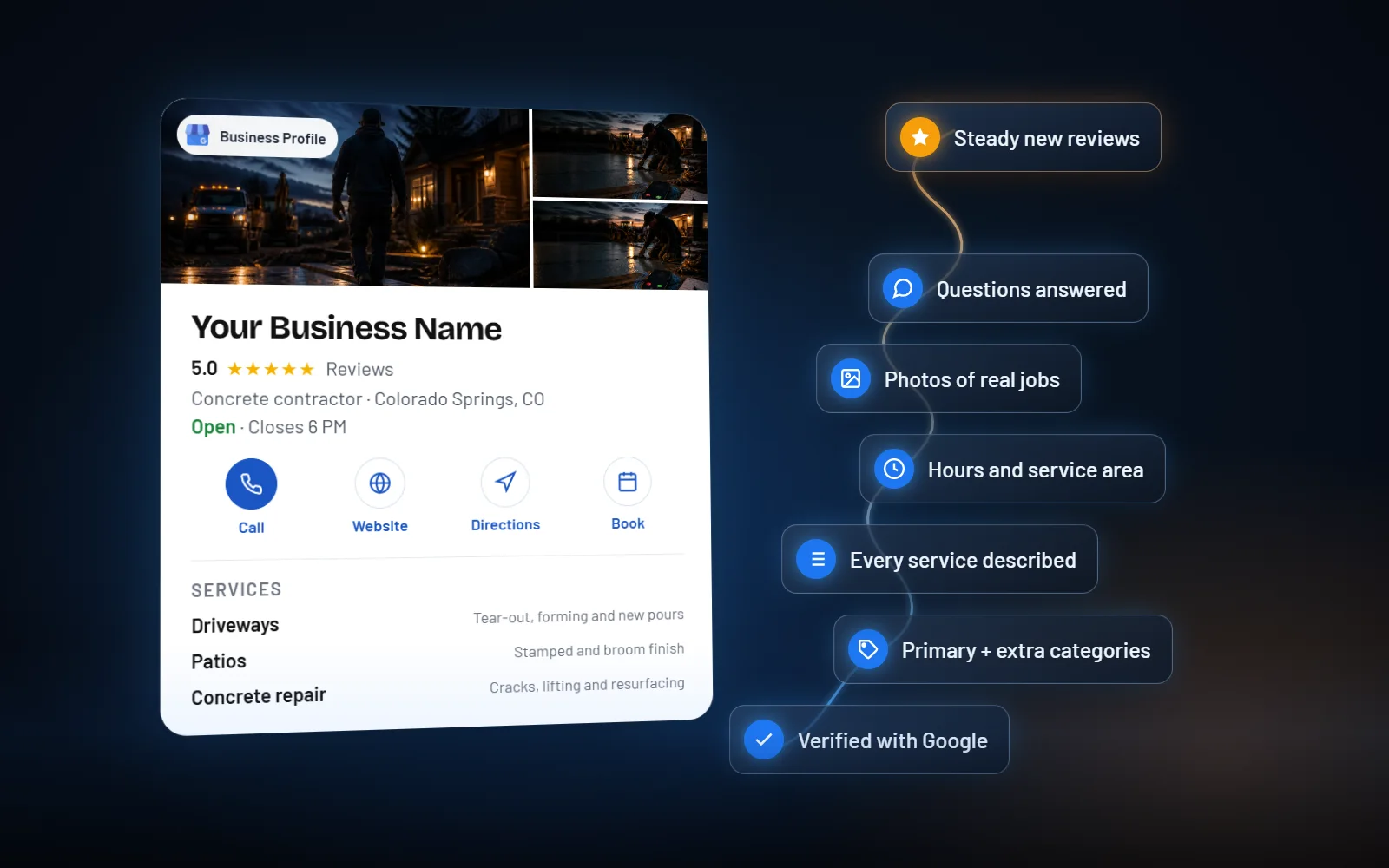
- Business details that match your citations and Google Business Profile
- Service area pages only where there is something genuinely different to say
Why copied town pages backfire
Copying a page and changing the city name creates what Google calls doorway pages, and its spam policies treat them as abuse. Each page has to earn its place with content that is actually different, or it can drag the whole site down.
If you want to edit everything yourself and have the time to maintain it, WordPress can work. For an owner who would rather be in the field, a custom site that someone else maintains and improves is usually the better deal.